


 ไทย
ไทย ENG
ENG 中文(简体)
ความรู้จากแพทย์ศรีพัฒน์
Office Syndrome or Myofascial Pain Syndrome
Office Syndrome or Myofascial Pain Syndrome
Dr.chanadda Wongekchutrakul,M.D.
Rehabillitaion Medicine
- PI-IMC-399-R-00
- aaaDate 12 October 2566
Office Syndrome or Myofascial Pain Syndrome
Common Symptoms
• Dull, Diffuse Pain: Often found in the neck, shoulders, shoulder blades, and lower back.
• Localized Radiating Pain: For example, right shoulder pain radiating to the right temple or neck.
• Persistent or Activity-Induced Pain: Pain may be constant or occur during muscle use.
Why Does Shoulder and Back Pain Persist?
Prolonged abnormal postures cause muscle contractions and waste accumulation in muscles, leading to pain. Pain relief medications and anti-inflammatory drugs provide temporary relief. Returning to the same work habits causes waste accumulation again, triggering pain recurrently.
Can It Be Cured? What Should Be Done?
Complete recovery and prevention of recurrence are possible if patients follow this recommendation. Identifying and correcting abnormal postures in daily life is crucial. Observe postures held for long periods or activities that trigger pain, such as recurrence of shoulder pain after writing at a desk for extended periods, which may indicate the cause of elevated shoulders from a high desk.
What Are Proper Postures?
Sitting, standing, walking, and lying down should maintain proper muscle position. Avoid leaning, twisting, slouching, or hunching. Keep your head straight and avoid prolonged bending or tilting. Ensure your work environment, such as desks, screens, and keyboards, is ergonomically correct and suitable for your body.
How to Avoid Staying in the Same Position All Day
• Take Breaks: Change positions periodically, such as standing up and stretching.
• Stretching: If muscle tightness occurs, stretch the specific muscle group for about 30 seconds per stretch, repeating 10 times, 2-3 times a day. If pain increases, stop immediately and consult a doctor. Using a hot pack before stretching can reduce pain and increase muscle flexibility.
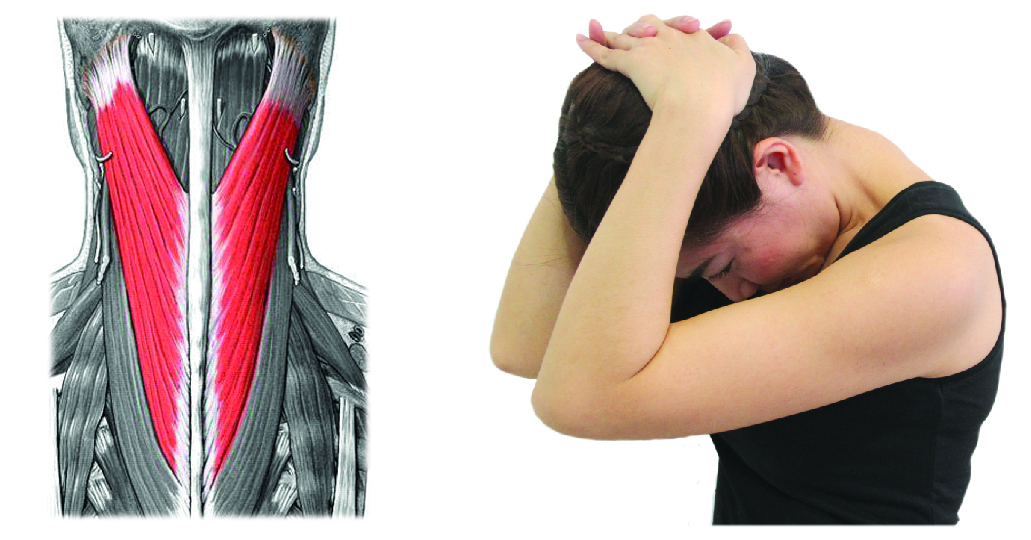
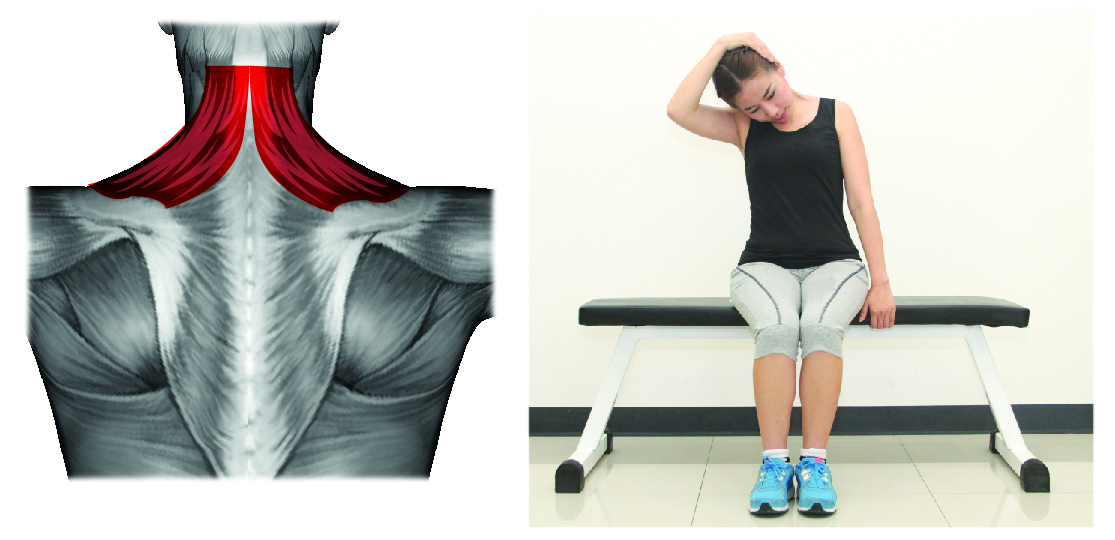
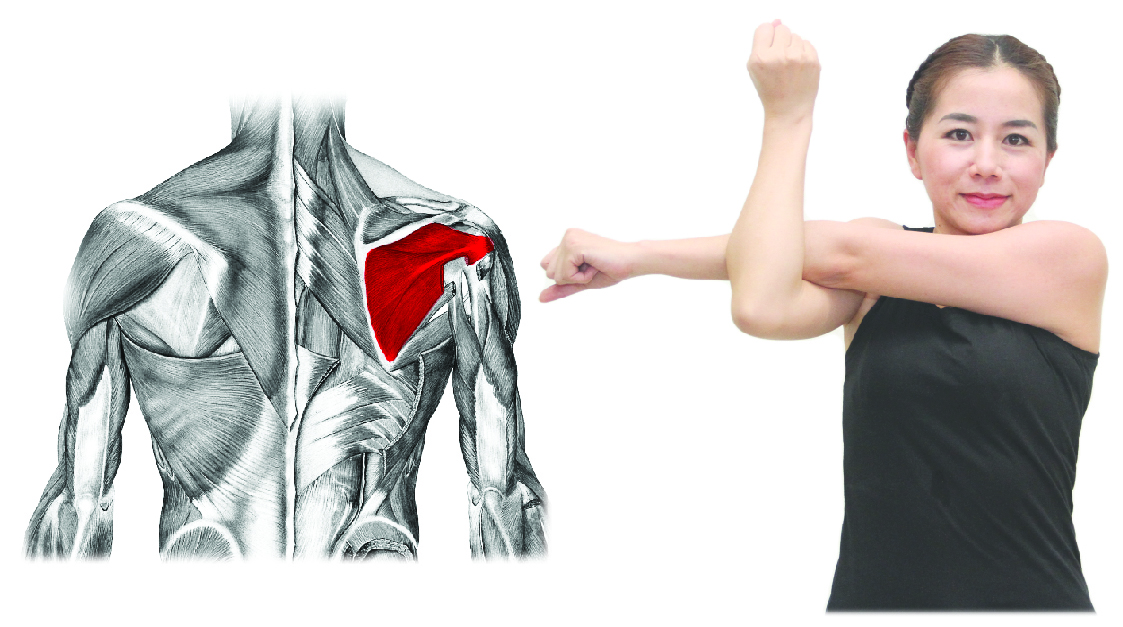
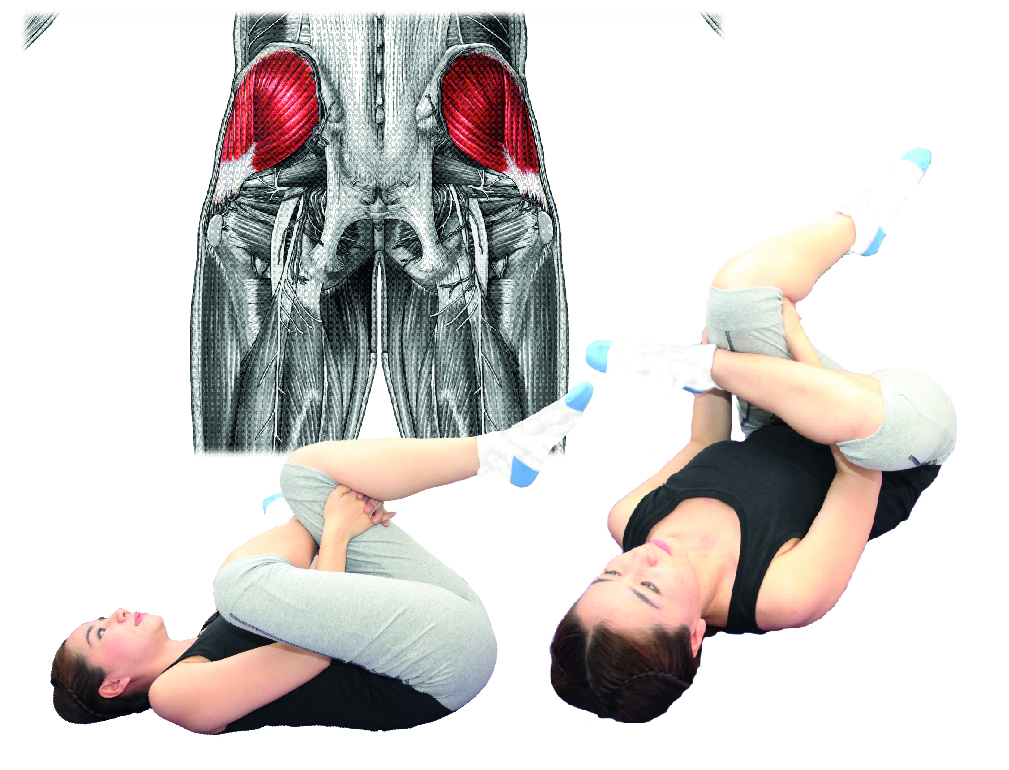
Common Stretching Exercises for Pain Relief
1. Neck Muscles: Avoid if you have cervical disc issues or if pain increases.
2. Shoulder Muscles
3. Shoulder Blade Muscles
4. Back Muscles

5. Gluteal Muscles
Treatment Options If Posture Adjustment and Stretching Do Not Help
1. Medication: Pain relievers, anti-inflammatory drugs, and muscle relaxants.
2. Non-Medication Treatments:
o Massage: To relieve muscle pain.
o Physical Therapy Equipment: Heat packs, ultrasound, electrical stimulation, laser therapy, or shock wave therapy.
o Needling: Acupuncture (traditional Chinese medicine) or dry needling (modern medicine) for muscle relaxation.
When to Consult a Doctor
Neck, shoulder, and back pain can have various causes beyond muscle pain. Consult a doctor if you experience:
• Pain onset after age 55 or have underlying conditions like cancer, osteoporosis, or use immunosuppressants.
• Additional symptoms such as fever, numbness in hands or feet, limb weakness, or incontinence.
• Pain at rest or severe pain disrupting sleep and daily activities.
• Persistent or worsening pain despite posture adjustments and self-stretching.
Consult a specialist, such as a rehabilitation physician or orthopedic surgeon, for accurate diagnosis and appropriate treatment.