


 ไทย
ไทย ENG
ENG 中文(简体)
Knowledge
(Acupuncture)
What is Traditional Chinese Acupuncture?
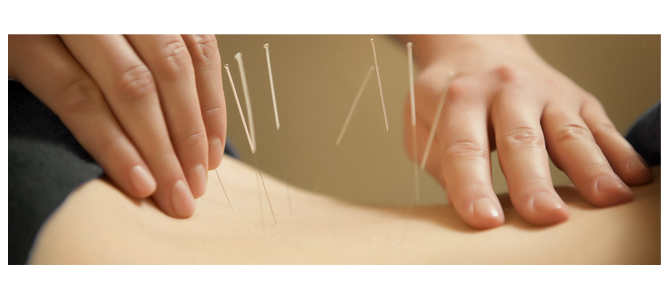
Acupuncture is a traditional Chinese medical practice that involves inserting fine needles into specific points on the body. This technique aims to improve the flow of Qi (vital energy) and restore the body’s balance. Modern research has shown that acupuncture can stimulate the release of neurotransmitters that help relieve pain, reduce inflammation, and enhance blood circulation in the affected areas.
Acupuncture has been practiced for over 4,000 years and is now widely accepted in the medical community worldwide. The World Health Organization (WHO) recognized its effectiveness since 1979.
Does Acupuncture Hurt?
Acupuncture uses very fine needles, approximately 0.2 millimeters in diameter, which are much 6 times smaller than typical injection needles. As the needle passes through the skin, you may feel a slight prick. Relaxing and staying calm during the procedure can minimize discomfort.
What Are the Needles Like?
The needles used are very fine, with close tip and no coating of any substances or medications. At SRIPHAT Medical Center’s Acupuncture Clinic, only new, single-use needles are used to ensure safety and hygiene.
What Conditions Can Acupuncture Treat?
The WHO has identified several conditions for which acupuncture is effective, supported by clear research evidence*:
- Pain: Neck pain, shoulder pain, elbow pain, back pain, knee pain, rheumatoid arthritis pain, sprains, gastrointestinal pain, menstrual pain, gallstone pain, migraines, tension headaches, premenstrual headaches, urinary tract pain, neuralgia, facial neuralgia, post-surgical pain.
- General Conditions: Stroke and its sequelae, hypertension or hypotension, leukopenia, allergies, asthma, depression, anxiety, insomnia, morning sickness, nausea, and vomiting.
Additionally, acupuncture can treat or alleviate many other conditions. Consult your doctor for more information before starting treatment.
(*Reference: World Health Organization. Acupuncture: Review and Analysis of Reports on Controlled Clinical Trials. Geneva: World Health Organization; 2003.)
Who Should Avoid Acupuncture?
- Patients with bleeding disorders or those taking anticoagulant medications such as Warfarin.
- Patients who cannot understand instructions or cooperate during the procedure.
- Pregnant women (inform your doctor before undergoing acupuncture).
- Patients with a severe fear of needles.
- Patients with untreated cancer or those requiring urgent surgery instead of acupuncture.
How to Prepare for Acupuncture
- Eat a light meal 1-2 hours before the session, avoiding overeating.
- Ensure adequate rest and avoid fatigue.
- Use the restroom before the session.
- Turn off all electronic devices.
What to Do During Acupuncture
- The needles will remain in place for about 20-30 minutes. Relax, close your eyes, and breathe slowly and steadily to calm your mind.
- Stay still and avoid moving your limbs or the areas where needles are inserted to prevent pain.
- Inform the doctor or nurse immediately if you experience any discomfort, such as chest tightness, difficulty breathing, dizziness, or fainting.
What to Do After Acupuncture
- Check the areas where needles were inserted for any abnormalities and inform the doctor or nurse if any are found.
- Drink warm water after the session.
- Avoid exposure to wind for one hour after the session.
|
Acupuncture |
Trigger point release |
|
Performed by certified acupuncturists |
Performed by modern medical practitioners |
|
Balancing the body using traditional Chinese meridian principles |
Uses needles to release muscle knots, enhancing localized blood flow and removing waste products from muscle cells |
|
Focuses on restoring the body’s balance, thus treating a wide range of conditions |
Targets only specific muscle pain points |
|
Acupuncture points may be located far from the area of symptoms; for example, left shoulder pain might be treated by inserting needles in the right leg to improve Qi flow to the left shoulder |
Use needles at local muscle pain directly |
|
Depending on the patient’s condition, 1 to 30 needles may be used in various parts of the body |
The number of needles used ranges from 1 to 3 per affected area, and sometimes local anesthetics are injected |
|
The pain is minimal, felt only when the needle passes through the skin |
Patients may feel a dull ache as the needle stimulates the muscle before the knot releases, with mild soreness lasting 2-3 days. |
Choosing the Acupuncture or Trigger Point Release Method?
It depends on the patient’s preference and condition. Sometimes, a combination of both traditional and modern techniques is used to achieve the best therapeutic outcome.
“Acupuncture focuses on holistic body balance rather than treating a specific disease. It aims to enable the body to heal itself without using drugs or chemicals, providing effective, safe treatment with minimal side effects and complications.”